Our hearing is one of our most vital senses, connecting us to the world in profound ways. It allows us to enjoy music, engage in conversation, and stay aware of our surroundings. Yet, it is a sense we often take for granted, assuming it will always be there for us.
The reality is that our hearing is delicate and susceptible to damage from our environment and the choices we make every day. Protecting your hearing for life is not something to consider only in later years; it is a proactive commitment that should begin now, ensuring you can continue to enjoy the rich soundscape of your life for decades to come.
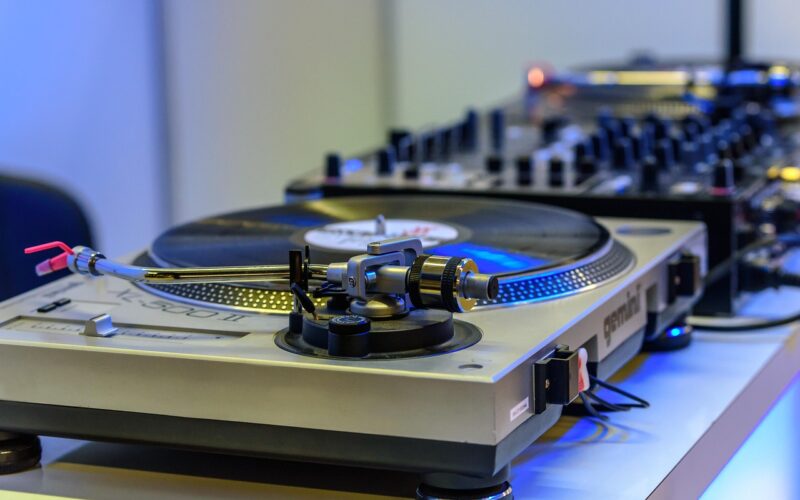
Turning down the volume
Taking a proactive stance on hearing health means moving beyond a reactive mindset. Many people only pay attention to their hearing when they notice something is wrong—when conversations become difficult to follow or a persistent ringing appears.
By then, damage has often already occurred. True protection involves conscious, preventative actions. This includes understanding the risks posed by noise, both in our occupational and recreational lives, and taking simple yet effective steps to mitigate them. It is about making informed choices, from turning down the volume on your personal devices to wearing hearing protection in loud environments. Safeguarding this precious sense is an investment in your future quality of life.
What is hearing loss?
At its core, hearing loss is a reduction in the ability to perceive sounds. This is not just a simple decrease in volume; it often involves a loss of clarity, making it difficult to distinguish speech from background noise. To fully understand hearing loss, it is helpful to appreciate the complex process of hearing.
Sound waves enter the ear canal and cause the eardrum to vibrate. These vibrations are passed through three tiny bones in the middle ear to the cochlea, a spiral-shaped, fluid-filled organ in the inner ear. The cochlea contains thousands of minute hair cells that convert these physical vibrations into electrical signals. The auditory nerve then carries these signals to the brain, which interprets them as the sounds we recognise. Hearing loss occurs when any part of this intricate system is damaged or disrupted.
Damage to the inner ear
There are three primary categories of hearing loss. The most common is sensorineural hearing loss, which results from damage to the inner ear, specifically the cochlea or the auditory nerve.
The tiny hair cells within the cochlea are particularly vulnerable and, crucially, do not regenerate once damaged. This type of hearing loss is frequently caused by the natural ageing process (known as presbycusis) and exposure to loud noise. It typically affects high-frequency sounds first, which is why individuals may initially find it hard to hear birdsong or consonants like 's', 'f', and 'sh'.
This can make speech sound muffled and understanding conversations, particularly in noisy settings, a significant challenge. Other causes include genetic factors, certain illnesses, and some medications that are ototoxic (harmful to the ear).
A perforated eardrum
The second type is conductive hearing loss. This occurs when sound waves are blocked from reaching the inner ear effectively. The problem lies in the outer or middle ear. Common causes include a blockage from earwax, fluid build-up in the middle ear due to a cold or allergies, a perforated eardrum, or issues with the small bones of the middle ear.
Conductive hearing loss typically makes all sounds seem quieter or muted. The positive aspect of this type of loss is that it is often temporary and can be corrected through medical or surgical intervention, such as removing the obstruction or repairing the eardrum.
Develop an ear infection
The third classification is mixed hearing loss, which, as the name implies, is a combination of both sensorineural and conductive issues. A person with mixed hearing loss has damage in their inner ear as well as a problem in their outer or middle ear. For example, an older individual with age-related hearing loss might also develop an ear infection that causes fluid build-up. In such cases, treatment will target both problems, although the sensorineural component remains permanent.
The impact of untreated hearing loss extends well beyond the ears. It can lead to communication difficulties, social isolation, frustration, and even depression. Furthermore, the brain must work harder to interpret incomplete auditory information, a cognitive strain that has been linked in numerous studies to accelerated cognitive decline and an increased risk of dementia.
Coping with hearing loss
A diagnosis of hearing loss can be an emotional experience, often bringing with it a sense of grief, frustration, or denial. The world may suddenly feel less accessible, and sounds that once brought joy might become distorted or faint. The first and most important step in coping is to acknowledge these feelings and give yourself the space to process them. This is a significant life adjustment, and it is natural to feel a sense of loss.
Sharing your experience with understanding family members, friends, or a support group can be incredibly beneficial. It combats feelings of isolation and builds a network of encouragement and empathy, reminding you that you are not alone on this path.
Talk clearly at a normal pace
Developing practical strategies is essential for navigating daily life with hearing loss. Communication will be a key focus. Be open and direct with the people you interact with regularly. Let them know what they can do to help you understand them better. Simple requests, such as asking them to face you while speaking, to talk clearly at a normal pace, and to rephrase sentences rather than simply shouting them, can make a huge difference. Taking control of your auditory environment is also an empowering step.
This could mean choosing a quieter spot in a restaurant or turning off the television during a conversation. These are not signs of weakness but assertive actions to maintain clear communication. You might also consider learning skills like speech-reading (lip-reading) to provide visual cues that supplement what you hear.
Cutting through background noise
Beyond interpersonal tactics, coping involves adapting your home and embracing assistive technologies. Many devices are designed to make life safer and easier.
These include amplified telephones, flashing or vibrating alarm clocks, and specialised doorbell systems. Utilising subtitles and closed captions for television and films is another simple but highly effective tool that allows you to follow dialogue without straining. Becoming your own advocate in public spaces is also a crucial coping skill. Many public venues like theatres, cinemas, and places of worship are equipped with hearing loop (induction loop) systems that transmit sound directly to a hearing aid’s telecoil setting, cutting through background noise.
Do not hesitate to ask about and use these facilities. Coping is an ongoing journey of adaptation, combining emotional acceptance with practical strategies to maintain your independence and engagement with the world.
Managing hearing loss
While coping strategies help you navigate daily challenges, managing hearing loss involves taking active, long-term steps to treat the condition and protect your remaining hearing.
This journey should always begin with a comprehensive hearing assessment from a qualified audiologist. This is not a simple screening; it involves a series of tests to determine the precise type, degree, and configuration of your hearing loss. The results are recorded on an audiogram, which provides a detailed map of your hearing ability.
This audiogram is the blueprint for creating a personalised management plan tailored to your specific needs and lifestyle. Your audiologist will be your partner in this process, providing diagnosis, guidance, and access to the latest technological solutions.
Feedback cancellation to eliminate whistling
For the vast majority of people with sensorineural hearing loss, hearing aids are the primary management tool. Modern hearing aids are far removed from the cumbersome devices of the past. Today’s instruments are discreet, sophisticated digital computers.
They are programmed by the audiologist to match your audiogram precisely, amplifying only the frequencies where you have lost hearing. Many feature advanced technology like directional microphones that focus on speech in noisy environments, feedback cancellation to eliminate whistling, and Bluetooth connectivity. This allows them to stream audio directly from smartphones, televisions, and other devices, effectively turning them into personalised wireless headphones.
Getting used to hearing aids takes time—a process called acclimatisation—as the brain needs to relearn how to process sounds it has been missing. Consistent use and follow-up appointments for fine-tuning are essential for success.
Surgically implanted device
In cases of severe to profound hearing loss where hearing aids provide limited benefit, a cochlear implant might be an option. This is a surgically implanted device that bypasses the damaged parts of the inner ear and directly stimulates the auditory nerve.
It consists of an external processor worn behind the ear and an internal component implanted under the skin. While it does not restore normal hearing, it can provide a representation of sound that allows a person to understand speech. This option requires surgery and extensive post-operative therapy, but it can be life-changing for the right candidate. Beyond devices, a comprehensive management plan also includes protecting the hearing you have left.
This means being diligent about avoiding loud noise exposure and using hearing protection like earplugs or earmuffs when in loud settings. Regular check-ups with your audiologist are crucial to monitor your hearing and adjust your management plan as needed.
Your long-term health
Protecting your hearing is a lifelong endeavour. By taking proactive steps today—understanding the risks, using protection, and seeking help when needed—you are making a crucial investment in your long-term health and happiness. It ensures that the sounds that matter most remain a clear and present part of your life.
A gift worth preserving
Hearing connects us to people, to nature, and to the moments that define our lives. It is a gift worth preserving. By adopting a preventative mindset and actively managing your hearing health, you empower yourself to navigate the world with confidence and continue to experience its full, vibrant soundtrack for all the years to come.